
Foolish Arguments Bible Verse: 10 Powerful Biblical Lessons
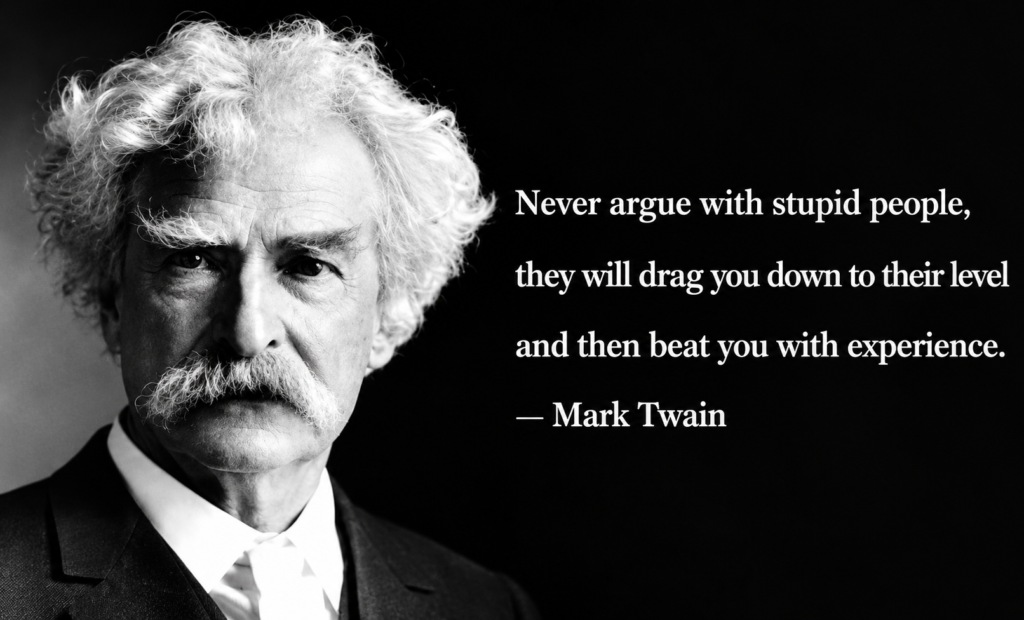
Arguments can start with something very small—a disagreement, a careless comment, a social-media post, or the desire to prove that we are right. But a small disagreement can quickly become anger, resentment, and damaged relationships.
The foolish arguments Bible verse most directly connected with this subject is 2 Timothy 2:23, a powerful passage about avoiding unnecessary quarrels and responding with wisdom.. Paul tells Timothy to avoid foolish and ignorant controversies because they produce quarrels. The verses that follow explain how believers should respond instead: with kindness, patience, teaching, and gentleness.
This biblical wisdom gives us an important principle:
Not every argument deserves your attention.
Sometimes wisdom means speaking. Sometimes it means listening. And sometimes wisdom means knowing when to walk away.
What Is the Foolish Arguments Bible Verse?
The clearest foolish arguments Bible verse is 2 Timothy 2:23.
This passage warns believers against foolish and uninformed controversies that lead to quarrels. However, the surrounding verses provide an important balance. Paul does not simply tell Christians to avoid disagreement. He explains how a servant of the Lord should behave when dealing with difficult people and challenging conversations.
The Bible does not teach that Christians should never discuss difficult subjects, defend truth, correct wrongdoing, or express disagreement.
Instead, Scripture warns against arguments driven by pride, anger, ego, hostility, endless speculation, or the desire to defeat another person.
Before entering a heated conversation, consider asking:
“Will this conversation produce truth, wisdom, peace, or growth—or will it simply create another quarrel?”
That question can help you recognize when a discussion is worth having and when it is better to step away.
2 Timothy 2:23–25 and the Biblical Lesson
The passage surrounding 2 Timothy 2:23 gives us a practical pattern for dealing with conflict. The foolish arguments Bible verse also reminds us that avoiding unnecessary conflict is an important part of Christian wisdom.
1. Recognize Foolish Disputes
Not every disagreement is productive.
Some conversations begin with a legitimate question but gradually turn into competition. Instead of trying to understand one another, both people begin trying to win.
When the purpose changes from learning to defeating someone, the conversation can quickly become destructive.
2. Refuse Unnecessary Quarrels
The foolish arguments Bible verse teaches us that believers should not become entangled in disputes that predictably produce conflict.
This requires self-control.
You may have the perfect response. You may know exactly what you want to say. You may even be right.
But being right does not automatically mean that continuing the argument is wise.
3. Respond With Gentleness
The verses following 2 Timothy 2:23 move from what believers should avoid to how they should behave.
A servant of God should not be characterized by constant quarrels. Instead, biblical communication should include kindness, patience, teaching, and gentleness.
This gives us a powerful lesson:
Truth does not require a harsh personality.
You can stand for what is right without attacking someone’s dignity.
Bible Verses About Foolish Arguments and Quarrels
Several Scriptures provide wisdom about arguments, conflict, anger, and peaceful communication.
1. 2 Timothy 2:23 — Avoid Foolish Disputes
This is the primary foolish arguments Bible verse for understanding how Scripture warns us about unnecessary disputes.
Paul connects foolish controversies with quarrels and encourages believers to avoid getting trapped in them.
Lesson: Not every disagreement deserves your time, attention, or emotional energy.
2. 2 Timothy 2:24 — Do Not Be Quarrelsome
The following verse describes the Lord’s servant through qualities such as kindness, patience, and the ability to teach.
Lesson: Spiritual maturity should be visible in the way we communicate.
3. 2 Timothy 2:25 — Correct With Gentleness
Correction can sometimes be necessary, but Scripture emphasizes a gentle attitude when correcting others.
Lesson: You can disagree with someone without insulting, humiliating, or attacking them.
4. Titus 3:9 — Avoid Unprofitable Controversies
Titus warns against foolish controversies, arguments about genealogies, disputes, and quarrels about the law because they are unprofitable and useless.
Lesson: A discussion that produces no meaningful good may not deserve continued attention.
5. Proverbs 15:1 — Give a Gentle Answer
Proverbs teaches that a gentle response can turn away anger, while harsh words can stir up greater conflict.
Lesson: Your tone can influence the direction of an argument.
6. Proverbs 17:14 — Stop Conflict Early
This proverb uses the image of water breaking through a barrier to describe the beginning of strife.
Once conflict gains momentum, controlling it becomes increasingly difficult.
Lesson: Address tension early before a small disagreement becomes a major conflict.
7. Proverbs 20:3 — Avoiding Strife Can Be Honorable
Scripture presents avoiding unnecessary conflict as a form of wisdom rather than weakness.
Lesson: Walking away from pointless conflict can demonstrate greater strength than trying to have the last word.
8. James 1:19 — Be Quick to Listen
James provides practical guidance for communication: believers should be quick to listen, slow to speak, and slow to become angry.
Lesson: Listening carefully can prevent disagreements from becoming unnecessary arguments.
9. Proverbs 26:4 — Do Not Enter Into Foolishness
This proverb warns against responding to foolishness in a way that causes you to become foolish yourself.
Lesson: Not every provocation deserves an immediate response.
10. Romans 12:18 — Pursue Peace
Paul encourages believers, as far as it depends on them, to live peacefully with others.
Lesson: You cannot control another person’s behavior, but you can control your own words, attitude, and actions.
What Does the Bible Say About Arguing With a Fool?
The Bible repeatedly warns against becoming trapped in destructive disputes.
However, it is important not to label every person who disagrees with you as a “fool.”
A foolish argument is better recognized by its character and outcome. The foolish arguments Bible verse is especially useful here because it focuses on the kind of controversy that produces quarrels rather than wisdom.
It may involve:
- Repeating the same points endlessly
- Refusing to listen
- Trying to embarrass another person
- Protecting pride instead of seeking truth
- Allowing anger to control the conversation
- Attacking someone’s character instead of addressing the issue
- Trying to win rather than understand
- Producing resentment without any useful result
When these patterns appear, continuing the discussion may not be wise.
Biblical wisdom teaches discernment. Sometimes the most mature response is not another explanation but a peaceful decision to stop participating.
When Is an Argument Worth Having?
The Bible’s warning about foolish arguments does not mean every disagreement should be avoided.
Some conversations are important.
A difficult discussion may be necessary when:
- Someone is being harmed.
- A serious misunderstanding needs clarification.
- Truth needs to be defended.
- A relationship needs honest communication.
- A harmful action needs to be addressed.
- A personal boundary needs to be established.
- Someone genuinely wants to understand.
- Reconciliation requires an honest conversation.
The issue is not simply whether disagreement exists.
The deeper question is:
“What is my purpose in this conversation?”
If your purpose is truth, restoration, understanding, protection, or growth, a difficult conversation may be worthwhile.
If your purpose is to defeat someone, embarrass them, prove superiority, or get the final word, it may be time to reconsider.
How Christians Should Respond to Foolish Arguments
Understanding a foolish arguments Bible verse is helpful, but applying biblical wisdom to real conversations is even more important.
Pause Before Responding
You do not have to answer immediately.
A few moments of silence can prevent several minutes of regret.
When emotions are high, taking time to think can help you respond with wisdom instead of reacting from anger.
Ask Whether the Conversation Matters
Before continuing, ask yourself:
“Will anything improve if I keep arguing?”
If the answer is no, silence may be wiser than another response.
Lower the Temperature
Do not answer anger with greater anger.
A calm response can interrupt the cycle of escalation.
You may not be able to control the other person’s tone, but you can control your own.
Listen Before Correcting
Sometimes people become defensive because they feel ignored or misunderstood.
Listening does not mean agreeing.
It means taking the time to understand what the other person is actually saying.
Speak the Truth Without Cruelty
Christian kindness does not require abandoning truth.
At the same time, biblical correction should never become an excuse for insults, sarcasm, humiliation, or personal attacks.
Truth and gentleness can exist together.
Know When to Leave
There are moments when continuing a conversation creates more damage than good.
Walking away from an unproductive argument can protect your peace and preserve a relationship.
Leaving a pointless argument does not necessarily mean you lost.
Sometimes it means you chose wisdom.
| Foolish Arguments vs. Wise DisagreementFoolish ArgumentWise DisagreementFocuses on winningFocuses on understandingDriven by prideGuided by humilityEscalates angerEncourages calmRefuses to listenConsiders another perspectiveAttacks the personAddresses the issueProduces resentmentSeeks restorationHas no useful purposeHas a meaningful purposeDemands the last wordCan accept respectful closure |
The goal of biblical communication is not to make everyone agree with you.
The goal is to communicate in a way that reflects truth, wisdom, love, humility, and self-control.
Why Foolish Arguments Are Spiritually Dangerous
A pointless argument can consume much more than a few minutes.
It can steal your peace.
It can damage relationships.
It can change the way you speak.
It can turn a small disagreement into bitterness.
It can also shift your attention away from the character God calls you to develop.
This is why the message behind the foolish arguments Bible verse is so practical.
The strongest response is not always the cleverest comeback.
Sometimes it is patience.
Sometimes it is silence.
Sometimes it is forgiveness.
Sometimes it is a calm explanation.
And sometimes it is simply saying:
“We do not have to agree, and I do not want this conversation to become hurtful.”
That can be a remarkably mature response.
A Short Prayer for Wisdom During Arguments
Heavenly Father,
Give me wisdom before I speak and patience before I react.
Help me recognize the difference between a conversation that matters and an argument that only creates strife.
Guard my words when I am angry.
Teach me to listen before answering, to correct with gentleness, and to walk away when continuing would only cause harm.
Give me humility when I am wrong and grace when someone disagrees with me.
Help my words bring peace rather than division.
Teach me to choose wisdom over pride and love over the desire to win.
Amen.
What These Bible Verses Teach Us About Wisdom
The biblical message is deeper than simply saying, “Do not argue.”
It teaches us to develop discernment.
Wisdom asks:
- Is this true?
- Is this necessary?
- Is this the right time?
- Will my words help?
- Am I speaking from love or pride?
- Is this conversation producing peace or unnecessary conflict?
These questions can transform the way we handle disagreements.
A person who always needs the final word may win an argument and still lose a relationship.
A wise person understands that peace, truth, love, and humility can be more valuable than victory.
The foolish arguments Bible verse therefore points us toward something bigger than avoiding conflict. It encourages us to develop the character and self-control needed to recognize which conflicts deserve our attention.
How to Avoid Foolish Arguments in Daily Life
Avoiding unnecessary arguments is a practical skill that can be developed over time.
Think Before You Speak
Ask whether your response will help the situation or make it worse.
Do Not React to Every Provocation
Someone else’s anger does not require you to become angry.
Stop Trying to Prove Yourself
You do not have to demonstrate your intelligence, knowledge, or superiority in every conversation.
Choose Your Battles Carefully
Some disagreements have lasting consequences. Others will be forgotten within hours.
Wisdom recognizes the difference.
Practice Humility
Be willing to say, “I was wrong,” when you discover that you made a mistake.
Humility can end an argument that pride would prolong.
Pray Before Difficult Conversations
Ask God for wisdom, patience, self-control, and the right words.
A short prayer can change your attitude before you enter a difficult discussion.
When to Use These Bible Verses
These Scriptures can be especially helpful when you are:
- Dealing with a difficult conversation
- Facing repeated provocation
- Experiencing a family disagreement
- Watching a social-media discussion become hostile
- Struggling with anger
- Preparing to confront someone
- Responding to criticism
- Trying to stop an unnecessary debate
- Attempting to restore peace
- Learning better Christian communication
You can read one of these passages in the morning, pray through it before a difficult conversation, or keep the principle in mind whenever you feel tempted to respond angrily.
Related Bible Verses and Christian Topics
For a strong internal-linking structure, connect this article with related content such as:
- Bible Verses About Peace
- Bible Verses About Anger
- Bible Verses About Wisdom
- Bible Verses About Forgiveness
- Bible Verses About Patience
- Prayer for Peace and Calm
- Inspirational Christian Blessings
- Prayer for Worry 2026
- Short Prayer for Strength 2026
- Christian Blessings for Difficult Times
These topics naturally create a topical cluster around Bible verses, wisdom, peace, prayer, forgiveness, patience, and Christian encouragement.
FAQs About Foolish Arguments Bible Verse
What is the best foolish arguments Bible verse?
2 Timothy 2:23 is one of the clearest biblical passages because it directly warns believers about foolish and ignorant controversies that lead to quarrels.
What does 2 Timothy 2:23 mean?
It teaches believers to avoid pointless controversies that produce conflict rather than useful spiritual growth. The surrounding verses also emphasize kindness, patience, teaching, and gentleness.
Does the Bible say Christians should never argue?
No. Scripture does not prohibit every disagreement. Christians may need to discuss serious issues, correct wrongdoing, defend truth, or establish boundaries. The warning concerns arguments that are foolish, destructive, prideful, or unproductive.
What Bible verse says to avoid arguments?
2 Timothy 2:23 is one of the most direct passages about avoiding foolish controversies. Titus 3:9 also warns against foolish disputes and controversies that are unprofitable.
Is walking away from an argument biblical?
Yes, when the argument is destructive or pointless. Scripture repeatedly emphasizes peace, self-control, patience, and avoiding unnecessary strife.
What does the Bible say about arguing with someone who will not listen?
The Bible encourages patience and gentleness, but wisdom also includes recognizing when continued discussion is no longer productive. You can communicate respectfully without allowing yourself to become trapped in endless conflict.
What Bible verse teaches us to be slow to anger?
James 1:19 is a well-known passage that encourages believers to be quick to listen, slow to speak, and slow to anger.
How should Christians handle disagreements?
Christians should pursue truth while communicating with humility, patience, kindness, and gentleness. Personal attacks, insults, pride, and uncontrolled anger should not define Christian disagreement.
Is staying silent always the right choice?
No. Silence is not always wisdom. Some situations require honest communication, correction, protection, or a healthy boundary. The important question is whether speaking will serve a constructive purpose.
What is the main lesson of Bible verses about foolish arguments?
The central lesson is discernment. We should not waste our energy on disputes that produce nothing but conflict. Instead, we should pursue truth, wisdom, peace, patience, humility, and gentleness.
Final Thoughts
The foolish arguments Bible verse most directly points to 2 Timothy 2:23, but the surrounding teaching gives us an even richer understanding of biblical wisdom.
God’s wisdom is not simply about knowing when to speak.
It is also about knowing when not to speak.
Not every disagreement needs an answer. Not every accusation deserves a defense. Not every provocation deserves your emotional energy.
Sometimes the wisest response is to listen.
Sometimes it is to explain the truth calmly.
Sometimes it is to forgive.
And sometimes it is simply to walk away in peace.
The message of 2 Timothy 2:23–25 reminds us that avoiding foolish quarrels is not about weakness. It is about choosing self-control, humility, peace, and godly wisdom over pride and the need to win.
For readers who want to study the primary passage, you can read 2 Timothy 2:23 on Bible Gateway. Read 2 Timothy 2:23 on Bible Gateway
Choose wisdom over winning, peace over pride, and words that build rather than words that wound.
LOOKING FOR SOME MORE ENGAGING CONTENT: