Bible Verses About Discernment: 15 Powerful Scriptures to Sharpen Your Spiritual Wisdom
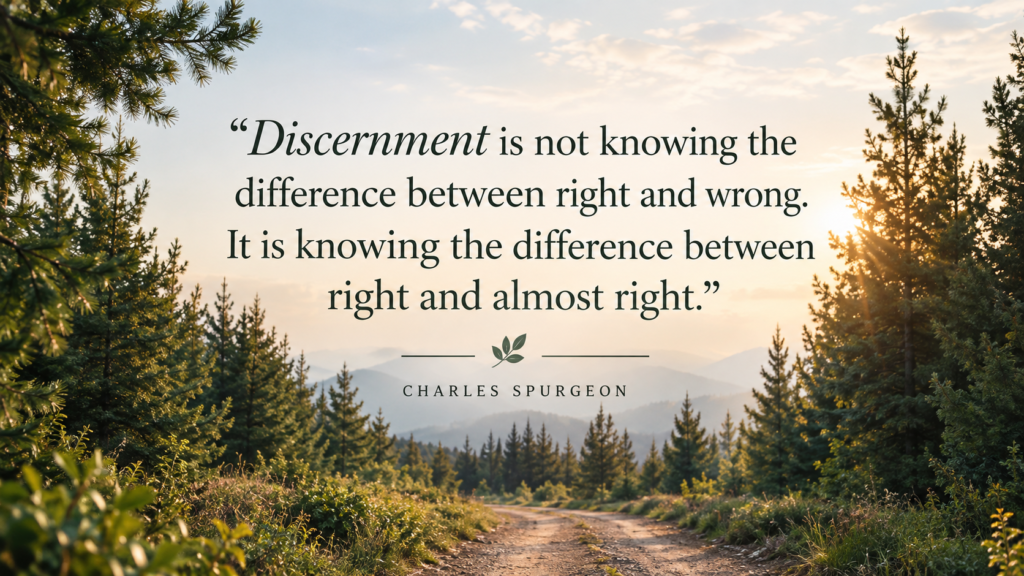
Bible verses about discernment reveal one of the most quietly urgent needs in a believer’s life — the ability to tell the difference between what is true and what only looks true, between what is right and what merely feels right, between the voice of God and the voice of everything else competing for your attention.
Solomon was offered anything he wanted from God. He could have asked for wealth, military power, long life, or the destruction of his enemies. Instead he asked for a discerning heart — and God was so pleased with the request that He added everything Solomon did not ask for as a bonus.
That story alone tells you how much God values discernment. These 15 Bible verses will show you what it is, how to develop it, and why living without it is one of the most dangerous things a believer can do.
Bible Verses About Discernment — Asking God for Wisdom
Discernment begins with asking. These verses show that God gives it generously to those who want it badly enough to ask.
1. James 1:5 (NIV)
“If any of you lacks wisdom, let him ask God, who gives generously to all without reproach, and it will be given him.”
The word “generously” is important. God does not give wisdom reluctantly, in small measured doses, only to the spiritually qualified. He gives it generously — to anyone who asks in faith. This verse removes every excuse for operating without discernment. The offer is open. The question is whether you want it enough to ask.
2. 1 Kings 3:9 (NIV)
“So give your servant a discerning heart to govern your people and to distinguish between right and wrong. For who is able to govern this great people of yours?”
Solomon’s request is one of the most remarkable prayers in the entire Old Testament. He was standing at the beginning of his reign, with more responsibility than he knew how to carry. His solution was not to trust his own intelligence or his royal upbringing. It was to ask God specifically for the ability to distinguish right from wrong. That is the definition of discernment in its simplest form — and God responded by calling it the best possible request.
3. Proverbs 2:6 (NIV)
“For the LORD gives wisdom; from his mouth come knowledge and understanding.”
Discernment does not originate in human intelligence. It originates in God — and it comes specifically from His mouth, meaning from His Word. The person who wants genuine spiritual discernment cannot bypass Scripture. It is the primary channel through which God distributes the wisdom He promises to give.
4. Philippians 1:9–10 (NIV)
“And this is my prayer: that your love may abound more and more in knowledge and depth of insight, so that you may be able to discern what is best and may be pure and blameless for the day of Christ.”
Paul prayed for discernment on behalf of the Philippian believers — which means discernment is something worth praying for others. Notice the specific language: “discern what is best.” Not just what is acceptable or permissible, but what is best. Discernment at its highest level is not about avoiding what is wrong — it is about identifying what is excellent.
Bible Verses About Discernment and Testing What You Hear
One of the most practical functions of discernment is evaluating what you are being taught. These verses speak directly to that — and they are more urgent now than ever.
5. 1 John 4:1 (NIV)
“Dear friends, do not believe every spirit, but test the spirits to see whether they are from God, because many false prophets have gone out into the world.”
This verse contains both a warning and a command. The warning: many false prophets are active in the world. The command: do not believe every spirit — test them. John does not say “trust your gut” or “follow what feels right.” He says test — which implies there is a standard to test against. That standard is Scripture. Without consistent engagement with God’s Word, you have no measuring tool.
6. Matthew 7:15–16 (NIV)
“Watch out for false prophets. They come to you in sheep’s clothing, but inwardly they are ferocious wolves. By their fruit you will recognize them.”
Jesus gives the most practical discernment tool in the New Testament: fruit inspection. False teachers do not announce themselves. The disguise is convincing — sheep’s clothing looks exactly like sheep. What gives the wolf away is not the appearance but the fruit. And fruit takes time to appear. Discernment requires patience — the willingness to watch and wait rather than decide immediately based on how someone presents themselves.
7. Colossians 2:8 (NIV)
“See to it that no one takes you captive through hollow and deceptive philosophy, which depends on human tradition and the elemental spiritual forces of this world rather than on Christ.”
The word “captive” is striking. Paul is describing something that can happen to a believer who is not exercising discernment — they can be taken captive by ideas that sound wise but are not rooted in Christ. This happens gradually, through repeated exposure to teachings that seem sophisticated and feel true but are ultimately hollow. Discernment is what prevents the slow drift into captivity.
8. 1 Thessalonians 5:21 (NIV)
“But test them all; hold on to what is good.”
Five words — but they form a complete framework for discernment. Test everything. Not some things. Not the things that seem suspicious. Everything. And then hold tightly to what passes the test. This verse is not cynical — it does not say reject everything. It says test everything and keep what is genuinely good. Discernment is not suspicion. It is clarity about what you are actually looking at.
Bible Verses About Discernment and the Renewed Mind
True discernment is not just a skill — it is the fruit of a mind that has been transformed by God’s Word over time.
9. Romans 12:2 (NIV)
“Do not conform to the pattern of this world, but be transformed by the renewing of your mind. Then you will be able to test and approve what God’s will is — his good, pleasing and perfect will.”
This verse connects discernment directly to mind renewal. The sequence is: renewing of the mind leads to the ability to test and approve God’s will. You cannot discern what God wants while your mind is still shaped primarily by the culture around you. Transformation comes first. Testing ability follows. This is why discernment is not instant — it is the product of sustained, long-term engagement with Scripture that gradually reshapes how you see everything.
10. Hebrews 5:14 (NIV)
“But solid food is for the mature, who by constant use have trained themselves to distinguish good from evil.”
Two phrases here deserve close attention: constant use and trained themselves. Discernment is described as a muscle — something built through repeated exercise over time. It does not arrive as a sudden spiritual download. It is developed through consistent engagement with God’s Word, applying its principles to real situations, getting some decisions wrong, learning from them, and building accuracy gradually. The mature are those who have put in the training.
11. Psalm 119:105 (NIV)
“Your word is a lamp to my feet and a light to my path.”
A lamp illuminates enough to take the next step — not the entire road. Discernment often works the same way. God’s Word does not always show you the destination. It shows you enough of the next step to move forward faithfully. The person who stays close to Scripture has a lamp in their hands for every dark or confusing moment. The person who drifts from it navigates in increasing darkness.
Bible Verses About Discernment and Humility
Some of the greatest failures of discernment in Scripture came from people who trusted their own judgment more than God’s. These verses address that danger directly.
12. Proverbs 3:5–7 (NIV)
“Trust in the LORD with all your heart and lean not on your own understanding; in all your ways submit to him, and he will make your paths straight. Do not be wise in your own eyes; fear the LORD and shun evil.”
The command “lean not on your own understanding” is one of the most counter-cultural instructions in all of Scripture. Every human instinct says trust what makes sense to you. Proverbs says the opposite — not because your understanding has no value, but because it is limited, shaped by incomplete information, and prone to self-interest. Discernment rooted in humility submits the decision to God before trusting its own conclusions.
13. Proverbs 14:12 (NIV)
“There is a way that appears to be right, but in the end it leads to death.”
This verse is perhaps the most sobering statement about human judgment in the Bible. Something can appear right — it can feel right, look right, make logical sense — and still lead to destruction. This is exactly why discernment cannot be based solely on appearance or feeling. The path that appears right is not always the path that is right. Only a standard outside ourselves — God’s Word — can reveal the difference.
14. Proverbs 15:22 (NIV)
“Plans fail for lack of counsel, but with many advisers they succeed.”
Discernment is not a solo exercise. The wise person does not rely exclusively on their own reading of a situation — they seek counsel from people whose judgment and character they trust. This verse specifically connects the success of plans to the presence of multiple advisers. Humility in discernment means acknowledging that your perspective alone is never the complete picture.
Bible Verses About Discernment and the Holy Spirit
Spiritual discernment ultimately depends on the Holy Spirit — the One Jesus called the Spirit of truth.
15. John 16:13 (NIV)
“But when he, the Spirit of truth, comes, he will guide you into all the truth. He will not speak on his own; he will speak only what he hears, and he will tell you what is yet to come.”
The Holy Spirit’s primary role in the believer’s life is guidance into truth. He is not called the Spirit of feelings or the Spirit of good intentions — He is called the Spirit of truth. Discernment that depends on God must ultimately depend on the Holy Spirit, who guides, illuminates Scripture, and bears witness to what is genuinely true. This is why prayer is not optional in the discernment process — it keeps you connected to the One who guides you into truth.
When Do You Need These Bible Verses About Discernment Most?
These scriptures are especially powerful in specific life situations:
- When evaluating a new teaching or church — 1 John 4:1 and Matthew 7:15–16 give you the framework for fruit inspection and spirit testing.
- When making a major life decision — Proverbs 3:5–7 and Philippians 1:9–10 guide you to seek God’s best rather than just what seems right.
- When someone is influencing you strongly — Colossians 2:8 and 1 Thessalonians 5:21 remind you to test everything, no matter how convincing it sounds.
- When you feel spiritually confused — James 1:5 reminds you that God gives wisdom generously to anyone who asks in faith.
- When you want to grow in wisdom — Hebrews 5:14 and Romans 12:2 point you to the daily practices that build genuine discernment over time.
Frequently Asked Questions About Bible Verses on Discernment
What is discernment according to the Bible?
Hebrews 5:14 defines discernment as the trained ability to distinguish good from evil. First Kings 3:9 frames it as the ability to tell right from wrong in practical situations. Romans 12:2 connects it to testing and approving God’s will. At its core, biblical discernment is the Spirit-aided capacity to evaluate people, teachings, and situations accurately — using God’s Word as the standard.
What is the difference between discernment and judgment?
Discernment evaluates situations, teachings, and fruit according to biblical standards — as commanded in 1 John 4:1 and Matthew 7:16. Sinful judgment involves condemning a person’s worth or eternal standing — which Matthew 7:1 warns against. The line is this: discernment says “this teaching is false” or “this fruit is bad.” Sinful judgment says “this person is beyond God’s grace.” Scripture commands the first and forbids the second.
How do I develop spiritual discernment?
Hebrews 5:14 says through constant use and training. Romans 12:2 says through the renewing of your mind. Psalm 119:105 says through sustained engagement with Scripture. James 1:5 says through asking God for wisdom. Proverbs 15:22 says through seeking counsel from wise people. Discernment grows through all of these together — not one alone.
Can I pray for the gift of discernment?
Yes — and God responds positively to that prayer. First Kings 3:9–12 records God granting Solomon’s request for discernment with obvious pleasure. James 1:5 promises wisdom to anyone who asks in faith. Philippians 1:9–10 records Paul praying specifically that believers would abound in discernment. God values this request because discernment protects His people and advances His purposes.
What happens when a Christian lacks discernment?
Proverbs 14:15 says the simple believe anything. Colossians 2:8 warns that people can be taken captive by hollow and deceptive philosophy. Matthew 7:15 warns that false prophets disguise themselves convincingly. Without discernment, believers become vulnerable to false teaching, poor decisions, spiritual manipulation, and a gradual drift away from truth that can feel completely natural from the inside.
Is discernment the same as the gift of discerning of spirits?
They are related but not identical. The gift of discerning of spirits mentioned in 1 Corinthians 12:10 is a specific spiritual gift given by the Holy Spirit to some believers for evaluating spiritual sources. General biblical discernment — the ability to distinguish good from evil through Scripture engagement and mind renewal — is available to all believers and is developed through the practices described in Hebrews 5:14 and Romans 12:2.
What is the best Bible verse for discernment?
James 1:5 is often considered the most direct — because it gives both the need (“if any of you lacks wisdom”) and the solution (“ask God, who gives generously”). Hebrews 5:14 is equally important because it describes the process (“trained themselves through constant use”). And 1 John 4:1 is essential because it gives the command to test what you hear. Together these three cover asking for discernment, developing it, and applying it.
How does the Holy Spirit help with discernment?
John 16:13 calls the Holy Spirit the Spirit of truth who guides believers into all truth. He illuminates Scripture, bears witness to what is genuinely true, and creates an internal sense of alignment or warning when something does or does not match God’s character and Word. Discernment that depends on God must depend on the Holy Spirit — which is why prayer is an essential part of the discernment process, not just a preliminary formality.
Final Thought: Discernment Is the Gift That Protects Every Other Gift
Every other blessing in a believer’s life is made safer and more fruitful when discernment is operating well. Good relationships require discernment about who to trust. Good decisions require discernment about what God is actually saying. Good theology requires discernment about what is genuinely true versus what only sounds true.
Solomon understood this. He did not ask for wealth or power first — he asked for the wisdom to tell right from wrong. And everything else followed.
These Bible verses about discernment are not just ancient wisdom for ancient problems. They speak directly into a world full of competing voices, convincing false teachers, and decisions that carry real consequences. The person who builds discernment through consistent engagement with Scripture, humble prayer, and wise counsel will navigate that world with increasing clarity — and will recognize the path God is actually calling them to walk.
For a deeper study of wisdom and discernment in Scripture, you can read Proverbs 2 in full on Bible Gateway — one of the most complete passages in the Bible on how God gives wisdom and what it looks like in a person’s life.
LOOKING FOR SOME MORE ENGAGING CONTENT:
Be Still and Know That I Am God: 7 Powerful Truths From Psalm 46:10